
What Is Lead? A Homeowner’s Guide to Risks, Testing & Safe Restoration
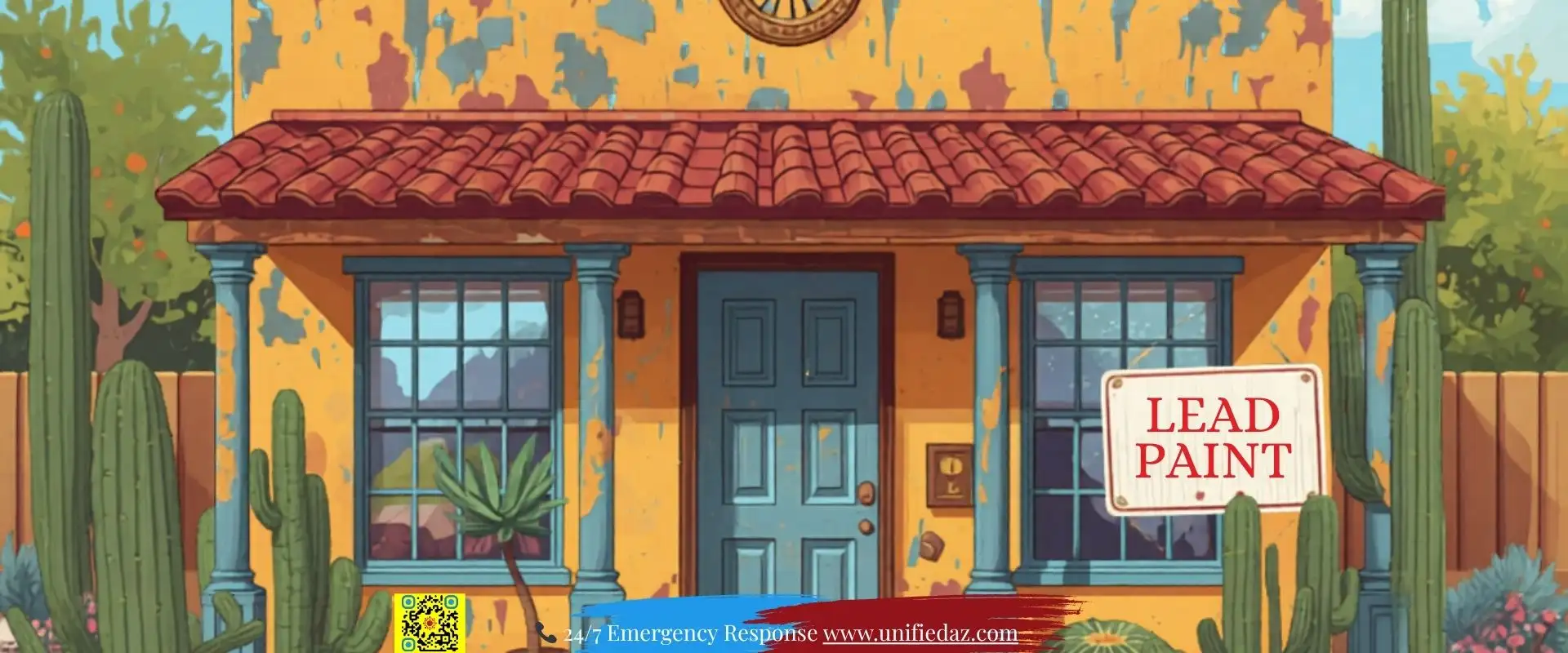
If your home was built before 1978, there is a real chance lead-containing materials are present somewhere in the structure. In the Phoenix Metro area, cities like Mesa, Phoenix, Glendale, Chandler, Gilbert, Buckeye, Tempe, Scottsdale, and Peoria all have well-established neighborhoods with homes built during the postwar building boom of the 1950s, 60s, and 70s. Those older parts of town — the ones with character, mature trees, and larger lots — are exactly where lead paint and lead-containing materials are most commonly found. Most homeowners have no idea until a renovation, water damage event, or restoration project brings it to the surface.
This guide explains what is lead, where it hides in your home, what it does to your health, and exactly how Unified Restoration keeps you and your family safe when it’s discovered.
What Is Lead?
So what is lead exactly? Lead is a naturally occurring, soft, bluish-gray heavy metal found in the earth’s crust. It has been used for thousands of years in a wide variety of products including gasoline, paint, plumbing pipes, ceramics, solders, batteries, and even cosmetics. Its low melting point, corrosion resistance, waterproof nature, and malleability made it an attractive material across many industries for decades.
Growing awareness of what is lead and its serious health risks led to major regulatory changes. In 1973 the federal government began phasing out lead in gasoline, eliminating it entirely by 1996. The United States government banned the manufacture of lead-based house paint in 1978. However, lead-acid batteries are still used in the U.S. today.
Fact: No blood lead level is safe. Even low levels of exposure can cause permanent damage — especially in children. Learn more at the World Health Organization and the EPA Lead Information Page.
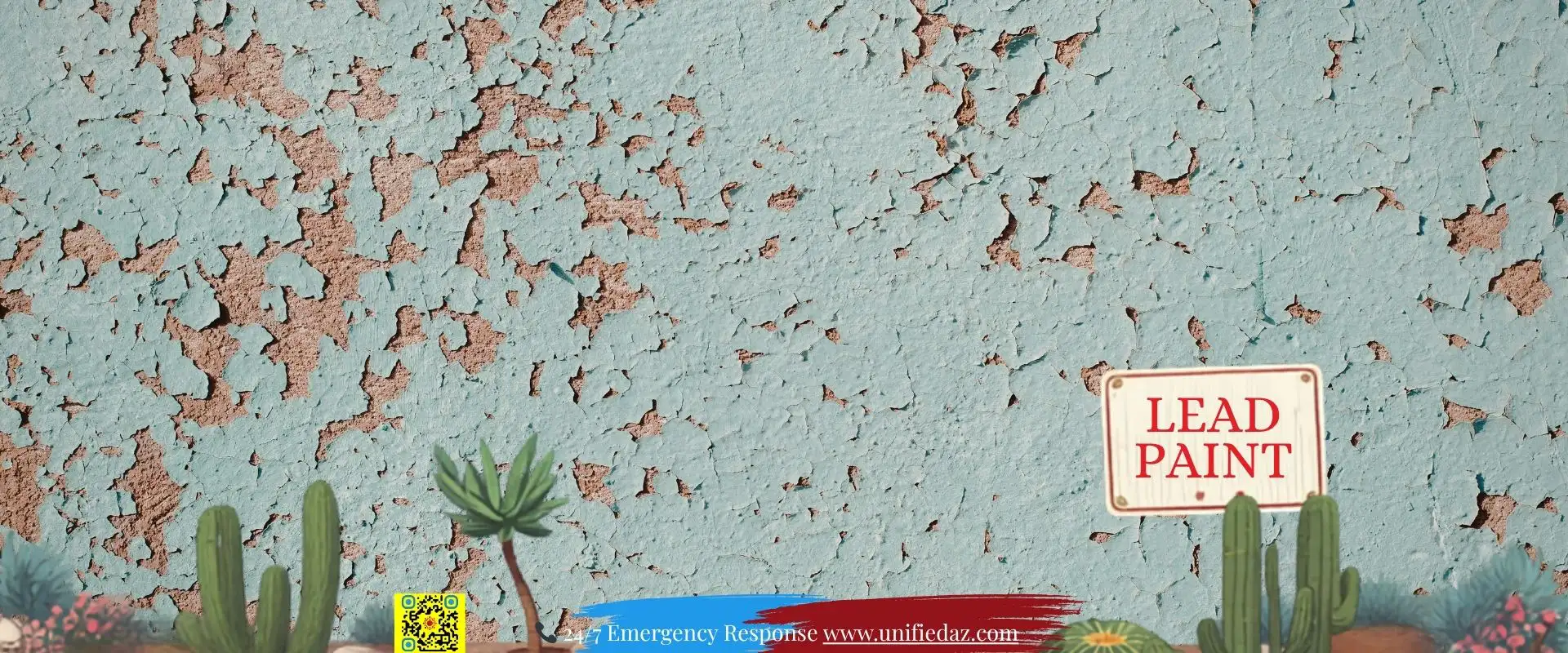
Peeling exterior paint on wall showing signs of potential lead-based paint hazard in older home.
Where Can I Find Lead-Containing Materials?
Due to its abundance, low cost, and physical properties, lead and lead compounds were used in a surprisingly wide range of products and building materials. Many of these are still present in older homes today.
Common places lead-containing materials may be found:
- Paint and varnish — especially on walls, doors, windows, and trim in homes built before 1978
- Pipes, faucets, and solders — older plumbing systems commonly used lead pipes and lead-based solder
- Ceramic glaze, glass, and crystal
- Caulking and oakum around windows and doors
- Metal flashing on roofs and around chimneys
- Plastics and cable covers
- Batteries
- Brass, bronze, and pewter alloys
- X-ray shielding
- Tank liners
- Pesticides used in older agricultural areas
- Ammunition and fishing sinkers
Do I Need a Lead Test Before Restoration?
Many homeowners don’t fully understand what is lead or that it might be in their home until a restoration project uncovers it. If your home was built before 1978, a lead test is required by federal, state, and local law before any demolition or material removal begins. At Unified Restoration, we arrange third-party independent lead testing before we touch a single surface. We receive the lab results and walk you through exactly what they mean — in straightforward language, not technical jargon.
When Does Lead Become a Risk During Restoration?
Lead becomes a serious concern the moment water damage or renovation requires demolition. Cutting, sanding, or removing materials that contain lead — like painted walls, floor tiles, shower tiles, window frames, or pipe insulation — releases lead dust into the air and onto surrounding surfaces. Unlike asbestos fibers, lead dust can also settle on floors and countertops where young children can come into contact with it through touch and hand-to-mouth contact.
This is why calling a restoration company before starting any DIY cleanup is so important. What looks like a simple flood cleanup or paint removal job can quickly become a hazardous materials situation in homes built before 1978.
Important: Lead paint that is in good condition and fully intact is generally not an immediate hazard. The risk comes when paint begins to chip, peel, or is disturbed during renovation or restoration work — releasing lead dust and chips that can be inhaled or ingested.
What NOT to Do If You Suspect Lead
This is just as important as knowing what is lead and where it hides. Many homeowners make the situation significantly worse before ever calling a professional. Here’s what to avoid:
- Do not sweep, vacuum, or dry dust — this sends lead particles airborne and spreads them throughout your home
- Do not sand, scrape, or drill into any surface you suspect contains lead paint or lead-containing materials
- Do not use power tools on older painted surfaces, tiles, or window frames without testing first
- Do not attempt to remove it yourself — even with a dust mask. Standard dust masks do not filter lead dust particles effectively
- Do not leave chipped or flaking paint in place — deteriorating lead paint must be addressed carefully by a certified professional
- Do not let children or pets into areas where lead paint is chipping, peeling, or has been disturbed
Standard dust masks do not adequately protect against lead dust. Only an N100 respirator with proper fit testing provides meaningful protection. Even then, full containment and professional cleanup procedures are required for safe lead abatement.
Health Effects From Exposure to Lead
Please Note: Unified Restoration is a restoration company, not a medical provider. The information below is for general awareness only and is sourced from the EPA, WHO, and National Institutes of Health. If you believe you have been exposed to lead or are experiencing health symptoms, please consult your doctor or a qualified healthcare provider immediately.
The inhalation or ingestion of lead dust can result in lead poisoning, which has been associated with a wide range of short-term and long-term adverse health effects. Depending on the level of exposure, immediate symptoms may not always be apparent or may resemble other illnesses. A blood test performed by a qualified doctor is currently the most reliable way to determine if someone has been exposed to lead.
Children under 6 and pregnant women face the greatest risk. Lead exposure in young children can cause permanent damage to the developing brain and nervous system — even at very low levels. There is no known safe level of lead in a child’s blood.
Common health effects associated with lead exposure include:
- In children: developmental delays, learning difficulties, lower IQ, behavioral problems, hearing loss, and slowed growth
- In adults: high blood pressure, kidney damage, reproductive problems, memory and concentration difficulties, and mood disorders
- At high exposure levels: seizures, coma, and in extreme cases, death
For more detailed health information visit the National Institute of Environmental Health Sciences and the National Cancer Institute.
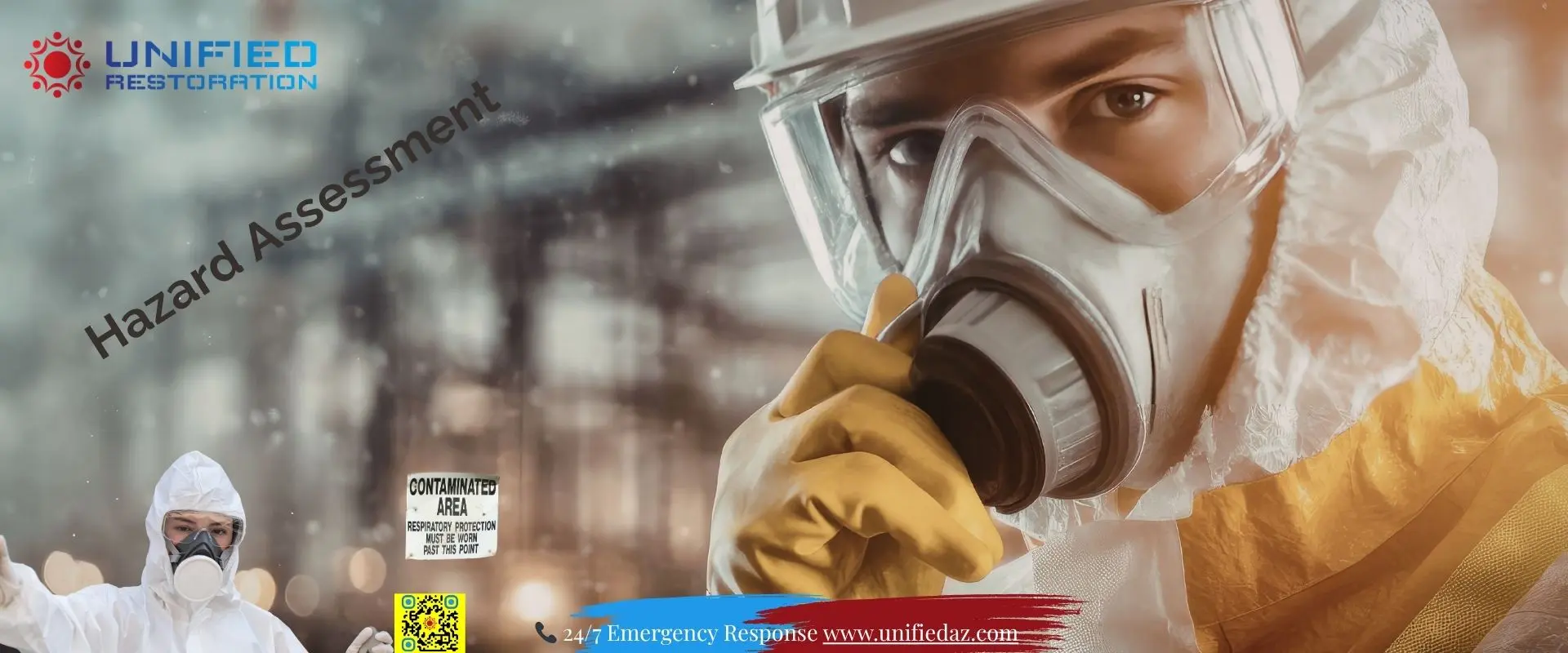
How Unified Restoration Protects You From Lead Exposure
Knowing what is lead is important — but having the right team handle it safely is what truly protects your family. At Unified Restoration, we treat every older home as a potential lead hazard from the moment we arrive. Our process is thorough, transparent, and built around your family’s safety:
- Step 1 — Home Age Assessment: Before any work begins we confirm the age and construction history of your property. Any home built before 1978 is treated as a potential lead risk until testing proves otherwise.
- Step 2 — Independent Third-Party Testing: We arrange certified third-party lead sampling and analysis on any materials we plan to disturb. You receive the actual lab results — not just a summary — and we explain every line in plain language.
- Step 3 — EPA-Certified Lead-Safe Work: When lead is confirmed, we bring in our EPA-certified supervisors and crews holding active RRP (Renovation, Repair & Painting) and Lead Inspector certifications. All work follows EPA guidelines with full containment barriers, HEPA vacuuming, and wet work methods to prevent dust from spreading.
- Step 4 — Post-Work Clearance Testing: Once work is complete, an independent environmental testing company performs a clearance examination — including dust wipe samples — to confirm the area meets EPA clearance standards before we open the space back up.
- Step 5 — Lab Sign-Off & Documentation: Only after receiving a clean third-party laboratory clearance report do we remove containment barriers and proceed with the next phase of your project. You receive full documentation for your records and insurance.
With over 24 years of experience in the restoration and construction industry, and active EPA certifications in Lead-Safe Work, RRP, and Lead Inspection, we know exactly what is lead, where it hides, and how to keep your family safe throughout the entire process. We explain everything the way a knowledgeable friend would — honestly and clearly, without the industry jargon.
Don’t just take our word for it — read our reviews from homeowners across the Phoenix Metro area who trusted us to protect their families and restore their homes safely.
Now You Know What Is Lead — There’s Only One Thing Left to Do
Now you know what is lead, where it hides, what it can do to your health, and exactly how we protect you and your family at every step. There’s only one thing left to do — call us.
Whether you’re facing water damage, planning a renovation, or simply want peace of mind about your older home, Unified Restoration is ready to help. We’ll give you an honest assessment, arrange the right testing, and handle everything safely from start to finish.
Call us 24/7 at (480) 485-9060 — we’re ready when you are.