How to Check for Mold After Water Damage 2025: A Step-by-Step Guide

Water damage can feel overwhelming, but knowing how to check for mold after water damage 2025 can help you take fast, effective action. Moisture left behind after leaks, pipe bursts, or flooding can create ideal conditions for mold to grow—sometimes in as little as 24 to 48 hours.
Mold isn’t always easy to spot, but catching it early protects both your home and your health. This step-by-step guide will help you understand how to check for mold after water damage 2025 and when it’s time to call a professional.
Why Water Damage Can Lead to Mold Growth
Mold spores are everywhere, but they need moisture and organic material like drywall or carpet to thrive. Water damage creates the perfect environment for mold to grow, especially when moisture stays hidden.
Common Causes of Water Damage
- Flooding from storms or plumbing overflows
- Roof leaks allowing rain inside
- Burst pipes soaking walls and floors
- HVAC condensation buildup
- Appliance leaks (dishwashers, water heaters, washing machines)
Signs of Mold to Watch For After Water Damage
When learning how to check for mold after water damage 2025, these warning signs can guide you:
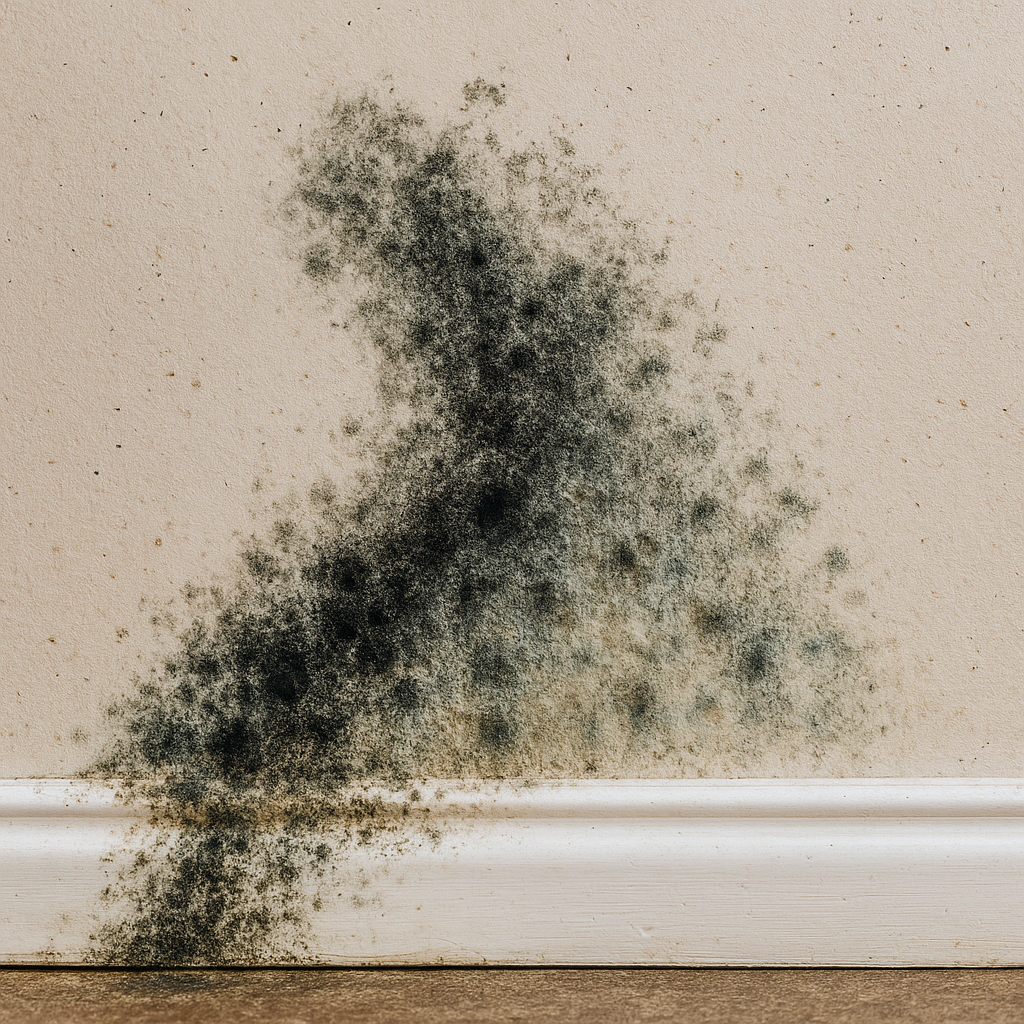
- Discoloration, dark spots, or fuzzy patches on walls, ceilings, or floors
- Musty or damp odors that linger
- Peeling paint or bubbling wallpaper
- Soft or spongy walls when pressed
- Indoor allergy symptoms like sneezing, coughing, or headaches
Step-by-Step: How to Check for Mold After Water Damage 2025
Step 1: Wear Protective Gear
Gloves, a mask, and safety goggles help protect you from airborne mold spores during your inspection.
Step 2: Inspect High-Risk Areas
- Walls, ceilings, and floors near previous water leaks
- Basements, attics, crawl spaces, bathrooms, kitchens, laundry rooms
- HVAC vents and air ducts
Step 3: Use Proper Tools
A flashlight and moisture meter can help you find hidden mold and moisture behind walls.
Step 4: Check for Musty Odors
Musty, earthy odors are often a sign of mold growth even when you can’t see it yet.
Step 5: Look Behind Surfaces
If you notice bubbling paint or peeling wallpaper, carefully check behind those surfaces.
When to Call Professionals
- Musty odors that don’t go away
- Allergy symptoms worsening indoors
- Previous flooding or major leaks
Unified Restoration provides certified mold inspections and can help with detailed reporting and professional remediation.
How to Prevent Mold After Water Damage
Dry the Area Quickly
- Use fans and dehumidifiers to speed up drying
- Remove saturated materials like carpet and drywall if necessary
Prevent Future Water Damage
- Inspect your home regularly for leaks
- Maintain HVAC systems and ensure proper drainage
- Seal roof and wall cracks
Common Questions About How to Check for Mold After Water Damage 2025
How can I tell if mold is behind drywall?
- Musty smell with no visible source
- Yellow, brown, or black stains
- Soft, warped, or crumbling drywall
- Worsening indoor allergies
Do I need a mold inspection after water damage?
If water sat for more than 24 hours, an inspection is highly recommended to catch hidden mold early.
Can water damage exist without mold?
Yes, but only if the affected area was dried immediately. Lingering moisture almost always leads to mold growth.
Schedule Your Mold Inspection Today
If you need help with how to check for mold after water damage 2025 or want professional peace of mind, Unified Restoration offers certified mold inspections and fast remediation services.
Call us at (480) 485-9060 or schedule an inspection today.